
 Dry Fish
The journey of gambling tracing the historical evolution of casinos
The Origins of Gambling
The practice of gambling dates back thousands of years, with evidence suggesting that ancient civilizations engaged in games of chance using rudimentary tools. Archaeological findings have uncovered dice from ancient Mesopotamia, dating as far back as 3000 BC. These early forms of gambling were often intertwined with religious practices and social rituals, illustrating the deep-rooted cultural significance of chance and fate in human society. Many modern players, especially those new to the scene, may find themselves exploring options like the australian neosurf casino for their initial gaming adventures.

As civilizations progressed, so did the complexity of gambling activities. The introduction of card games in China during the Tang Dynasty around the 9th century marked a significant evolution. These games spread across Asia and eventually reached Europe, leading to the development of varied gambling forms as societies embraced the thrill of chance and the lure of rewards.
The Birth of Casinos
The concept of the casino as we know it began to take shape in the 17th century. The first official casino, the Ridotto, was established in Venice in 1638, serving as a government-sanctioned venue for gambling during carnival season. This innovative establishment provided a controlled environment for gaming, laying the foundation for future casinos.
Throughout Europe, casinos gained popularity, particularly in France, where the game of roulette became a hallmark attraction. The allure of these establishments transformed them into social hubs, blending entertainment with the excitement of gambling, and thus solidifying their place in society.
The Evolution Through the Ages
The 19th century heralded a new era for casinos, particularly with the establishment of iconic venues like Monte Carlo. The lavish architecture and opulent surroundings of these casinos attracted the elite, making gambling a fashionable pastime. During this period, gambling games expanded, introducing iconic games such as blackjack and poker.
The industrial revolution further propelled casino growth. With increased transportation options, people could easily travel to renowned gambling destinations. This period also saw the rise of illegal gambling, leading to regulatory actions and the eventual legalization of casinos in various regions as governments recognized the potential for tax revenue.
The Rise of Online Gambling
The late 20th century marked a significant shift in the gambling landscape with the advent of the internet. Online casinos emerged in the mid-1990s, offering players the ability to gamble from the comfort of their own homes. This revolutionary change democratized gambling, making it accessible to a broader audience worldwide.
As technology advanced, online casinos began to offer sophisticated platforms with live dealer experiences and a plethora of gaming options. The introduction of mobile gambling further transformed the industry, allowing players to engage in gaming on their smartphones and tablets, thus creating a new era of convenience and engagement.
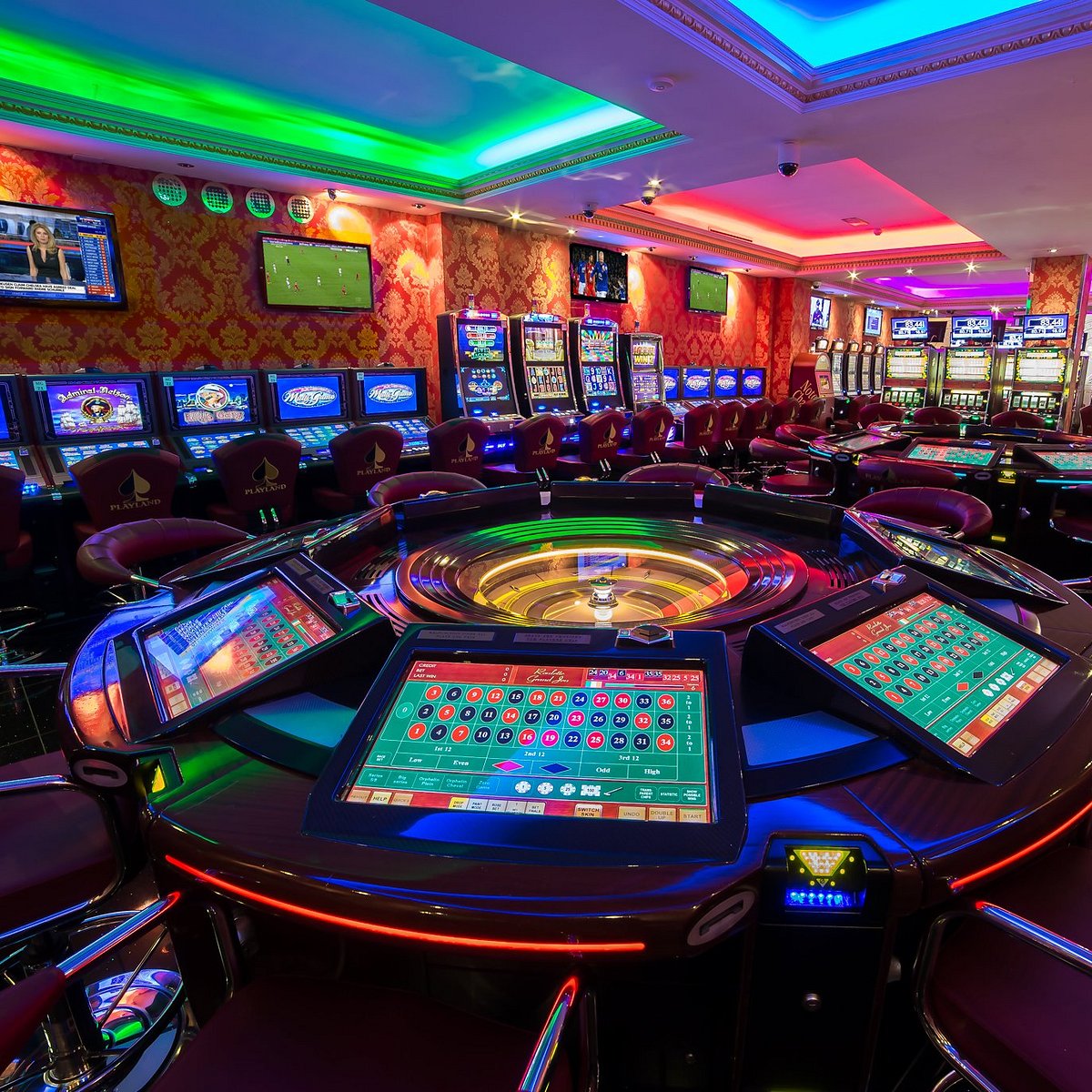
Exploring Modern Online Gambling
Today, online gambling is a thriving industry, providing countless opportunities for players around the globe. Websites now offer an extensive range of games, from traditional table games to modern slots, catering to diverse preferences. The focus on responsible gambling and user-friendly interfaces has enhanced the gaming experience, making it enjoyable and secure.
For Australian players, Neosurf Casino exemplifies this modern evolution, offering a comprehensive guide for those interested in online gambling. The platform ensures anonymity and financial privacy through innovative payment systems, empowering players to enjoy seamless gameplay and enticing bonuses without compromising their security.
 Home
Home  Wishlist
  Compare
  Checkout
  Account